

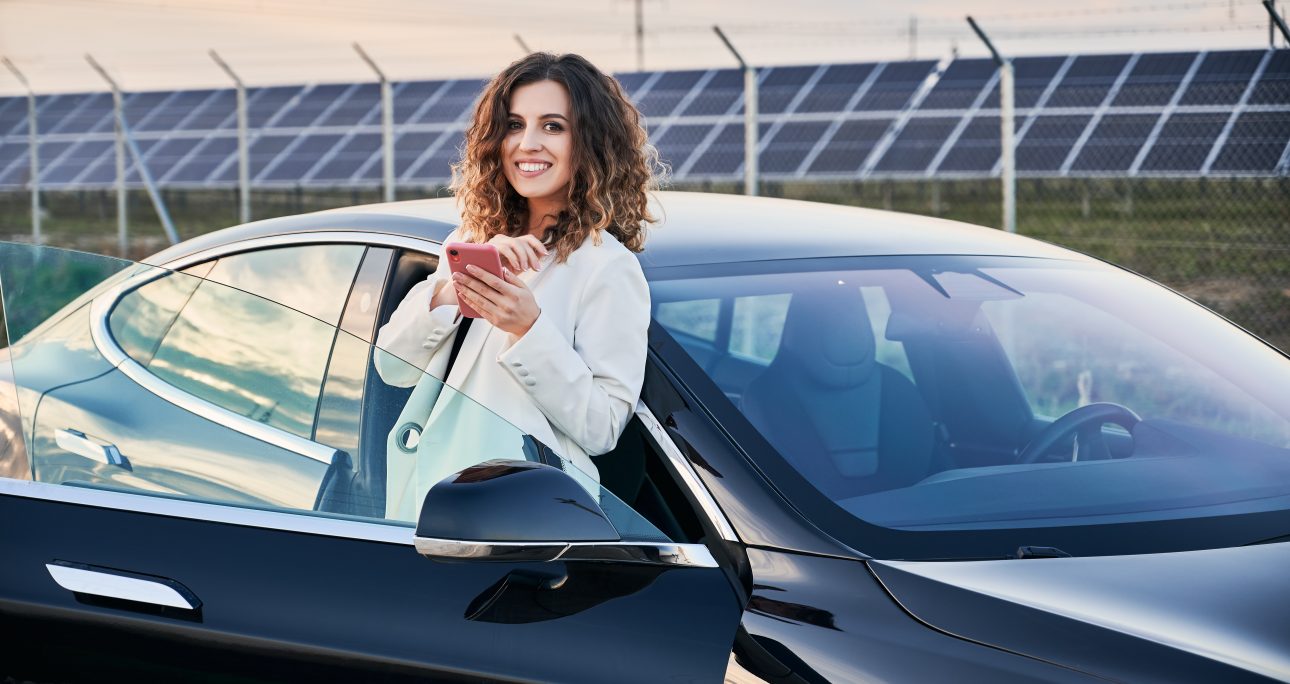
As the world shifts toward renewable energy, one of the most exciting ideas in transportation is the integration of solar power into electric vehicles (EVs). Imagine fueling your car with nothing more than sunlight. While fully solar-powered EVs are still on the horizon, there are already several ways that solar energy is transforming how we charge and drive electric vehicles. From rooftop solar arrays at home to integrated solar panels on EVs themselves, these innovations represent a key step in building a cleaner, more affordable, and more independent energy future.
Understanding the Grid and Why Solar Matters
Before diving into solar-powered EVs, it helps to understand the grid. The electric grid is the vast network of power lines, transformers, and substations that delivers electricity from generators to our homes, businesses, and charging stations. Every time you plug in an EV, you’re tapping into that system.
The challenge is that as more EVs hit the road, the grid will face greater demand, especially in the evenings when most drivers plug in at once. This is where solar integration becomes essential. By generating clean electricity on-site, either at home, at charging stations, or directly on the vehicle, solar helps reduce strain on the grid, lowers costs, and ensures a more sustainable balance between supply and demand
How Sunshine Can Power Your Drive
Electric vehicles already cut fuel bills and emissions. Pair an EV with solar power and you push those benefits even further by lowering costs, creating cleaner energy, and more independence from the grid. While a fully sun-powered car isn’t here yet, there are two practical paths today:
- EVs with solar panels built into the car, and
- External solar systems (home rooftop, carports, and portable panels) that charge your EV.
Option 1: Cars With Solar Panels Built In
Automakers are beginning to integrate photovoltaic (PV) cells directly into the body or roof. These panels capture sunlight and convert it into electricity that can run accessories, top up the 12-volt battery, or add a small amount of range. Only a few electric cars with solar panels exist today, but more will likely come as technology advances.
- Toyota Prius Prime: An optional ~US$600 solar roof can assist the main traction battery and power accessories like A/C when the sun is strong. It won’t replace plugging in, but it reduces drain and adds efficiency on sunny days.
- Hyundai Ioniq 5 (select markets): A solar roof can add ~3 miles (~5 km) of range per day in ideal conditions and help maintain 12-volt systems while parked.
Reality check: a car roof only has a few square meters of space. Even with efficient cells, that’s not enough to fully power an EV day-to-day. Today, integrated panels are best seen as helpers, offsetting parasitic loads, adding a trickle of range, and keeping systems topped up. The tech is improving (lighter modules, higher-efficiency cells like multi-junction and perovskite), and future designs may integrate panels into hoods, hatches, or body panels. But for now, built-in solar is supplemental, not primary.
Why chassis/body design matters: To work well, these panels must be seamlessly integrated into the vehicle structure: aerodynamics, strength, safety, wiring, and heat management all affect output and long-term durability.
Option 2: External Solar That Charges Your EV
This is where most of the real-world solar-driving happens today.
Home Rooftop Solar (Grid-Tied)
- How it works: Roof panels make DC power → an inverter turns it into AC → powers your home and EV charger. Excess can feed the grid (net metering, where available).
- Charging gear: For everyday EV use, you’ll likely want a Level 2 charger (240V). That usually means installing a 50-amp breaker in your main panel and ensuring wiring meets code. If you already have solar, you may need to expand the array to cover EV kWh use, talk to your installer.
- Cost to “fuel”: After the system is paid for, the sunlight is free. Even if you still draw some grid power (at night, winter), your energy costs usually drop a lot compared to gasoline.
Solar Carports & Workplace/Public Solar
Solar carports combine shade with power. At work or in public lots, they can make charging cleaner and more resilient(especially when paired with battery storage). Employers can offset employees’ daytime charging while cutting peak demand.
Portable Solar + Power Stations (Off-Grid/Hybrid)
- Important: You can’t plug an EV directly into a loose solar panel. You need a balance of system: a portable power station (battery + inverter + charge controller) to collect and convert solar energy, then deliver AC to your EVSE (charger).
- Example: a portable power station (e.g., large “solar generator”) charged by ~400W portable panels can store solar in the day and then output AC later to a Level 1/Level 2 setup (within its power limits). Great for camping, emergencies, or remote top-ups, but it’s not a fast-charge solution.
Can Portable Panels “Refuel” a Car on Their Own?
Yes, but slowly, and only with the right setup. Portable panels feed a portable power station, which then outputs AC to a charger. Think of it as a trickle-charge option or emergency backup, not your primary fueling plan.
How Many Panels? How Long to Charge?
It depends on:
- Your driving (kWh used per day),
- Panel power (total kW),
- Peak sun hours (season/location),
- Other home loads running while you charge.
Rule of thumb: A standard home array may not recharge a large EV battery from 0–100% in a single winter day, especially in Canada where winter daylight is short and skies are cloudy. Practically, people charge incrementally (topping up daily), and many pair solar with time-of-use grid charging at night.
Charge time from solar: Ranges from hours to days, based on system size and sun conditions. That’s why grid-tied + Level 2 is the most practical setup for most households.
Seasonal + Canadian Considerations
- Winter: Fewer daylight hours and more clouds = less output. You’ll likely supplement with the grid in winter. Parking/charging in a garage helps battery warmth and efficiency.
- Year-round strategy: Let rooftop solar offset your annual EV kWh, not necessarily every single charge. Over a year, many drivers get close to net-zero driving on sunshine.
Pros and Cons of Solar + EV Charging
Pros
- Lower electricity cost: Sunshine is free after install; smart timing (solar by day, off-peak grid by night) cuts bills further.
- “Free” driving days: Some households cover all daily miles from rooftop solar.
- Net metering & incentives: Potential bill credits or tax benefits (programs vary).
- Carbon footprint: Deep reductions versus gas; even lower if most charging is solar.
- Energy independence: Build resilience against outages and price spikes (especially with home batteries).
Cons
- Upfront cost: Solar + Level 2 install isn’t cheap (rebates can help).
- Weather dependence: Output varies with sun, season, and time of day.
- Storage need: If your EV is away during daylight, a home battery helps capture and use your solar later.
- Space/ownership: You need a suitable roof or land; renters/condo residents face hurdles.
- Not a full substitute: A typical array won’t fully recharge a large battery from empty in a single winter day.
Costs
- Solar system: Price varies by size/region; incentives can reduce net costs.
- EV charging: Once powered by solar, $0 per kWh from your panels. If you still use some grid power, costs are still typically far lower than gasoline.
- Upgrades: You may need panel upgrades (e.g., 50-amp breaker), wiring, permits, and possibly a larger solar array to cover EV miles.
Where We’re At Now
- Built-in solar on cars today adds small, helpful boosts, great for accessories, maintenance charging, and a few extra kilometers under perfect sun.
- External solar (home rooftops, carports, portable systems) is the practical way to power an EV with sunshine right now.
- Your best bet? Grid-tied rooftop solar + a Level 2 charger, possibly with a home battery. Use your array to offset your annual EV kWh, and let time-of-use rates fill in the rest.
If you’re ready to explore solar + EV at home, start with three checks:
- Your daily driving (kWh/miles),
- Your roof/space (size/shade), and
- Your panel/inverter/main panel capacity (including a 50-amp breaker for Level 2).
From there, your installer can size a system that fits your lifestyle.
Where This Is Headed
- Integrated solar on cars will get better as panels get lighter and more efficient. Expect more body integration beyond roofs.
- Home + workplace solar + storage will grow, making charging cleaner and more resilient.
- Smarter charging (time-of-use, vehicle-to-grid in the future) will smooth grid peaks and lower costs.
- Design integration, chassis, aerodynamics, thermal management, will be key to making built-in solar durable and useful.
Driving Toward a Solar-Powered Future
Solar power and electric vehicles are two of the most promising tools we have to build a cleaner, more resilient future. While today’s solar-integrated cars can only add modest range, and rooftop or portable solar systems come with their own limits, the direction is clear: the marriage of EVs and solar energy is both possible and powerful. Every watt of sunlight captured on a rooftop or a vehicle panel is a watt that doesn’t have to come from fossil fuels.
- For drivers, this means lower fueling costs, less reliance on an often-stressed grid, and the satisfaction of knowing their commute is powered by clean energy.
- For communities, it means stronger resilience during outages, more local renewable generation, and a reduced carbon footprint.
- And for Canada as a whole, solar-powered EV charging supports national goals for zero-emission transportation while reducing strain on the electricity grid as adoption grows.
The road ahead will require continued innovation, in battery storage, panel efficiency, and grid integration, but the progress we’re seeing today points to a future where driving on sunshine isn’t just a dream, it’s a practical reality.
Whether through solar rooftops at home, public solar carports, or integrated solar panels on the next generation of EVs, every step we take brings us closer to vehicles that truly fuel themselves from the cleanest source of energy we have: the sun.