

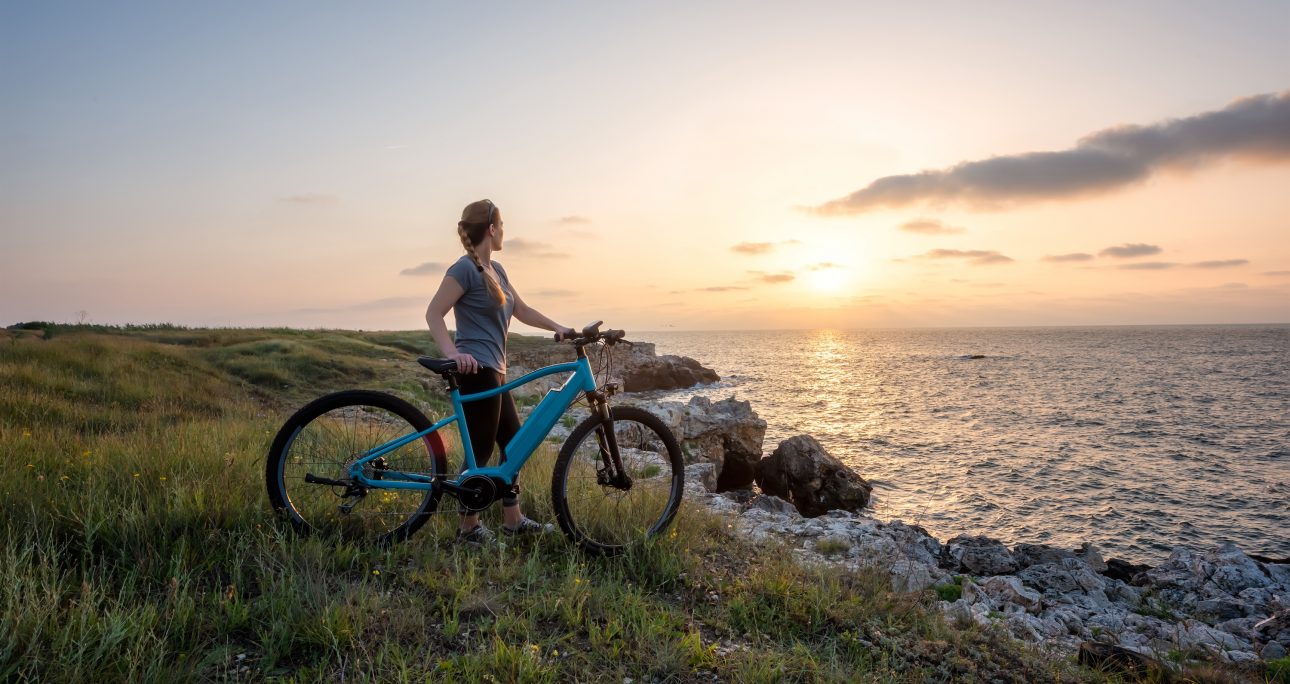
Electric bikes (e-bikes) are transforming recreation in Canada. What started as a convenient commuting option in cities has grown into an exciting way to explore Canada’s vast landscapes, from rugged coastal paths to scenic rail trails that stretch for hundreds of kilometers. For both locals and tourists, e-bikes bring accessibility, sustainability, and adventure together in a way that is reshaping how we experience outdoor recreation.
The Rise of E-Bikes for Recreation
E-bikes combine the freedom of cycling with the assistance of an electric motor, making long rides and steep climbs less intimidating. This technology is especially well-suited for Canada, where distances are often long and terrain varies from flat prairies to mountainous trails. Riders can enjoy extended journeys without the fatigue of traditional biking, and those who may not otherwise attempt a trail now have access to outdoor adventures.
For recreational riders and tourists alike, the benefits are clear:
- Extended Exploration – Go farther and see more without worrying about tiring out early.
- Accessibility – E-bikes make outdoor exploration possible for a wider range of ages and fitness levels.
- Eco-Friendly Tourism – They reduce emissions compared to car-based sightseeing.
- Local Discovery – Riders can explore hidden gems and small communities off the beaten path.
Coast-to-Coast Trail Systems: A Playground for E-Bikes
One of Canada’s greatest assets for e-bike riders is its network of multi-use trails. The Trans Canada Trail is the world’s longest recreational trail network, stretching more than 28,000 km and linking over 15,000 communities from coast to coast. While not all sections allow e-bikes, many portions are multi-use paths where e-bikes are welcome.
Below are standout trails in each region that attract both local adventurers and tourists alike:
Atlantic Canada
- Confederation Trail (Prince Edward Island)
- Length & Setting: This 435 km trail traces former railways, winding through red sand beaches, rural farmlands, and coastal vistas.
- Why It’s Great for E-Bikes: The relatively flat terrain and scenic layout make it perfect for leisurely multi-day rides. Many small villages along the way offer cozy bed-and-breakfasts, local restaurants, and e-bike rental options, making it ideal for tourists seeking relaxed eco-tourism.
- Cabot Trail (Nova Scotia)
- Length & Setting: A 298 km loop around Cape Breton Island, famous for dramatic fjords, cliffside views, and rolling coastal hills.
- What Makes It Special: A more challenging e-bike route, with steep climbs and sweeping ocean views. It delivers on both adventure and rhythm, allowing riders to stop in vibrant communities along the way for culture, cuisine, and hospitality.
Quebec
- La Route Verte
- Spanning over 5,000 km, this network connects urban paths in Montreal with the tranquil Eastern Townships countryside.
- It supports a huge diversity of landscapes, from cityscapes to vineyards, making it a top choice for long-distance tourists and local explorers alike.
- Petit Train du Nord
- A roughly 200 km trail in the Laurentians following a disused railway, offering smooth mixed-use paths through charming villages.
- With bike-friendly towns at regular intervals, it’s ideal for packaged e-bike tours that mix riding, dining, and lodging.
Ontario
- Waterfront Trail
- A massive route stretching nearly 3,600 km along Lake Ontario’s shores, also linking to Great Lakes and St. Lawrence River pathways.
- Its mix of natural scenery, urban access, and cultural landmarks makes it a perfect backbone for e-bike tourism, great for riders of all levels and interests.
- Greenbelt Route
- Around 475 km through Ontario’s protected Greenbelt area, combining farmland, forest, and small-town charm.
- Best suited for day trips or multi-day tours, with easy accessibility from major cities like Toronto.
Western Canada
- Kettle Valley Rail Trail (British Columbia)
- Roughly 600 km, this historic rail trail weaves through Okanagan vineyards, trestles, and mountain scenery.
- A favorite for multi-day e-bike adventures, offering both beauty and a sense of Canadian history.
- Cowichan Valley Trail & Loop
- The full trail covers about 122 km, with shorter loops (~35 km) through forests, rivers, and featuring the iconic Kinsol Trestle.
- These trails blend moderate distance with rich scenery and are easily accessible from Vancouver Island towns.
- North Star Rail Trail
- About 28 km connecting Cranbrook and Kimberley, set beneath Purcell Mountains.
- Smooth and scenic, it’s ideal for a day trip with picturesque photo stops and moderate challenge.
- Kelowna Rail Trail
- A 24 km scenic path along Okanagan Lake, running through vineyards and orchards.
- Popular with locals and tourists, especially those looking to pair an e-bike ride with wine-tasting or lakeside stops.
These trails don’t just connect landscapes, they connect people to communities. Riders often stop in small towns along the way, supporting local cafes, shops, and accommodations. For tourism boards, this represents a major opportunity: e-bike riders are more likely to stay longer and spend more, all while traveling in a sustainable way.
E-Bikes and Tourism
Tourism is changing, and e-bikes are at the heart of the shift. Visitors increasingly want eco-friendly options that let them immerse themselves in local culture while minimizing their environmental footprint. E-bike rentals, guided tours, and “e-bike-friendly” travel packages are becoming more common in tourist destinations across Canada.
For communities along popular trails, e-bike tourism provides multiple benefits:
- Boost to Local Economies – Riders spend on food, lodging, and experiences.
- Year-Round Activity – E-bikes make longer rides possible, even in shoulder seasons like spring and fall.
- Inclusive Tourism – Older travelers or those with limited mobility can participate fully in outdoor adventures.
Municipalities and businesses that invest in e-bike-friendly infrastructure, such as charging stations and bike-friendly lodging, are positioning themselves as leaders in this growing tourism sector.
Buying Your Own Bike for Scenic Trail Riding
While rentals are great for casual users and tourists, more Canadians are investing in their own e-bikes specifically for trail riding. A personal e-bike allows riders to:
- Customize their setup for comfort and terrain.
- Explore trails at their own pace without time limits.
- Use their bike for both recreation and local errands, making it a practical lifestyle choice.
With battery ranges now reaching 80–100 km on many models, owning an e-bike makes multi-hour rides on scenic trails both possible and enjoyable. As the cost of ownership continues to drop and government rebates expand, buying an e-bike has become a practical option for more Canadians.
Micromobility in Canadian Cities
For those who live in urban areas, e-bikes are part of a broader micromobility movement. Many Canadian cities, like Vancouver, Montreal, and Toronto, are rolling out shared e-bike systems alongside e-scooters, making it easier for people to access these vehicles without owning one.
This integration creates convenience for both residents and visitors:
- First and Last Mile Travel – Connecting transit hubs to parks and trails.
- Flexible Exploration – Tourists can pick up an e-bike downtown and ride out to scenic waterfronts or urban trails.
- Sustainability – Encourages reduced car use for short trips, lowering congestion and emissions.
By linking urban micromobility with Canada’s trail networks, cities and communities can create a seamless system that supports recreation, tourism, and sustainable mobility.
A Sustainable Adventure Awaits
E-bikes are redefining recreation in Canada. With coast-to-coast trails, growing tourism opportunities, and expanding micromobility programs, Canadians and visitors alike can now explore landscapes in ways that are inclusive, sustainable, and fun.
From the rugged mountains of British Columbia to the rolling countryside of Quebec and the coastlines of Prince Edward Island, e-bikes make the great outdoors more accessible than ever. As infrastructure expands and regulations adapt, Canada has a unique opportunity to position itself as a global leader in sustainable recreational tourism.
Whether you’re renting one on vacation, joining a guided tour, or investing in your own e-bike for weekend rides, the message is clear: Canada’s trails are ready to be explored, and e-bikes are the perfect way to do it.