

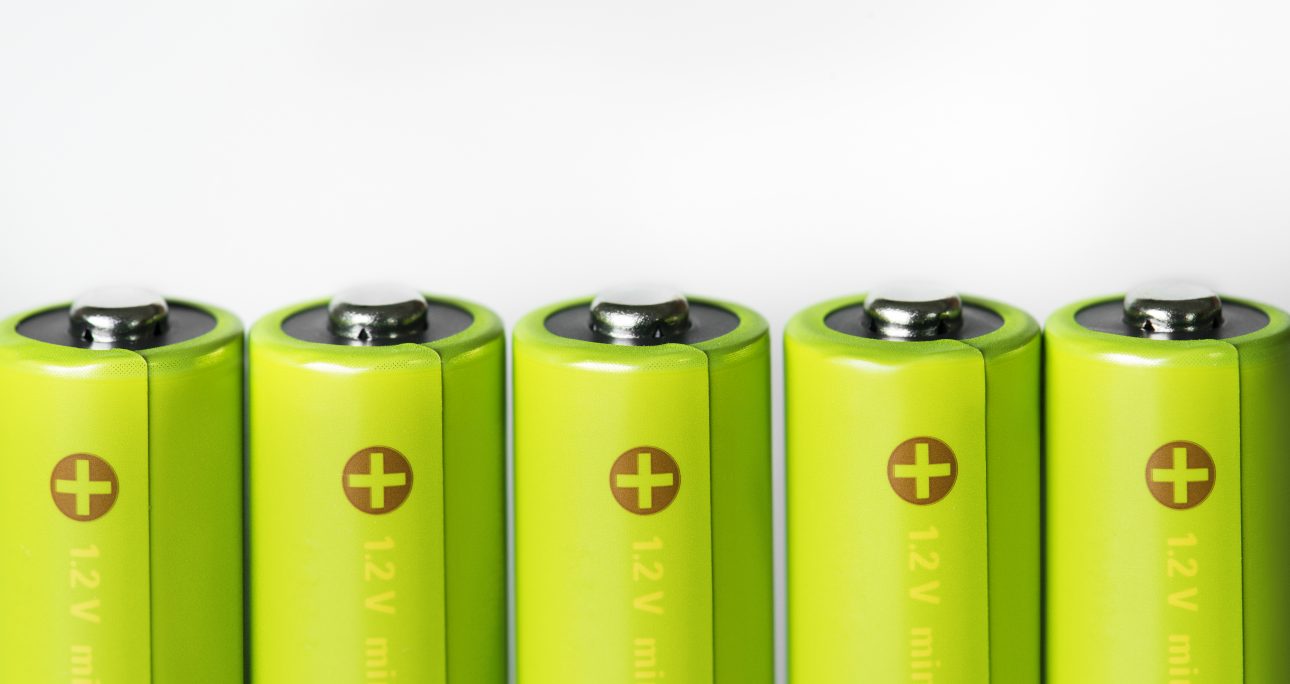
Electric vehicles (EVs) are often celebrated as a cornerstone of Canada’s clean transportation future. They reduce tailpipe emissions, save on fuel costs, and support the shift away from fossil fuels. But as EV adoption accelerates, another question comes into focus: what happens to old EV batteries once they reach the end of their life?
Far from being useless, these batteries are still incredibly valuable. With the right systems in place, their materials can be reused, recycled, and even repurposed into new energy solutions. Canada is now positioning itself as a global leader in EV battery recycling, turning a potential waste challenge into a major opportunity for sustainability, economic growth, and supply chain independence.
Why Recycling Matters
Lithium-ion batteries, the workhorse technology behind EVs, require materials like lithium, cobalt, and nickel, resources that are energy-intensive to mine and process. Demand for these minerals is expected to skyrocket in the coming decades, raising both environmental and ethical concerns.
Without recycling, Canada would face several challenges:
- Toxicity risks: Discarded batteries can catch fire or leak hazardous metals like cobalt and lead into soil and water.
- Environmental impact: Manufacturing a battery accounts for up to 50% of an EV’s lifecycle emissions. Recycling can cut that footprint by up to 51%.
- Rising costs: Raw materials make up nearly half the cost of a battery. Recycling can reduce pack costs by as much as 30%, making EVs more affordable.
- Supply chain reliance: Many critical minerals are sourced from unstable or monopolized markets. Recycling reduces dependence on foreign suppliers and conflict zones.
In short, recycling isn’t just about waste, it’s about building a safer, more affordable, and more sustainable EV ecosystem.
The Second Life of EV Batteries
Before they are recycled, many EV batteries go through a “second life.” When a battery’s State of Health (SOH) drops below about 70–80%, it may no longer deliver enough range for drivers, but it still has years of useful energy left.
In Canada and abroad, second-life batteries are being used for:
- Grid stabilization: Storing excess solar or wind energy for later use.
- Community power: Providing backup during outages for schools, arenas, or hospitals.
- Home energy storage: Acting as backup for homeowners with rooftop solar.
These applications delay recycling and extend the value of each battery. But eventually, recycling becomes the final step in the lifecycle.
Canada’s Expanding Battery Recovery Program
One of the biggest signals that Canada is serious about battery recycling is the EV Battery Recovery Program, now expanding nationwide after a successful pilot in Quebec.
Jointly led by the Canadian Vehicle Manufacturers’ Association (CVMA), Global Automakers of Canada, and Call2Recycle Canada, this program is funded by major automakers to ensure EV batteries are handled responsibly at end-of-life.
The Quebec pilot, launched in 2023, proved two important points:
- Most batteries already make it back into proper recovery systems, but a national program ensures nothing falls through the cracks.
- Stronger ties between automakers and recyclers create efficiency and trust, paving the way for a circular battery economy.
In 2024 alone, Call2Recycle collected more than 3,000 EV batteries. With the new national platform, dismantlers, garages, fleet operators, and even individual EV owners can request safe pickup and recycling. Once collected, batteries are repurposed, remanufactured, or fully recycled to recover valuable materials.
As Brian Kingston, CEO of CVMA, put it: “There’s a misconception sometimes that used EV batteries are not valuable. The reality is, they are very valuable.”
How Recycling Works
Recycling methods in Canada are advancing quickly. Companies like Li-Cycle (Ontario) and Lithion (Quebec) are pioneering chemical processes that recover up to 95% of valuable materials. Often called “urban mining,” this process retrieves cobalt, lithium, nickel, and other metals that would otherwise need to be imported or newly mined.
The process typically involves:
- Dismantling and shredding the battery pack.
- Mechanical sorting into metals, plastics, and “black mass.”
- Hydrometallurgy (chemical solutions) or pyrometallurgy (high heat) to extract usable materials.
These recovered materials are then fed back into the battery manufacturing supply chain, closing the loop and reducing the need for virgin mining.
Canada’s Role in the Global Supply Chain
Few countries have the resources Canada does to create a fully circular EV battery ecosystem. Canada has:
- Vast mineral reserves (nickel, cobalt, and lithium).
- Clean hydroelectric power to reduce the footprint of refining and recycling.
- Advanced recyclers like Li-Cycle and Lithion scaling up operations.
- Government-backed programs like the EV Battery Recovery Program.
By combining natural resources with recycling innovation, Canada is setting a model for a low-carbon, low-waste EV supply chain. As Tim Johnston of Li-Cycle noted: “There are very few countries with the natural resources to support the lithium-ion supply chain. It just makes sense that Canada should be a significant player.”
The Road Ahead
Of course, challenges remain. Recycling infrastructure must be scaled nationwide, regulations must evolve, and public awareness needs to grow. But Canada’s recent progress shows momentum is on our side. With every EV battery collected, processed, and recycled, Canada reduces emissions, secures critical minerals, and strengthens its role as a clean-tech leader.
By 2035, when Canada’s mandate for 100% zero-emission new vehicle sales comes into effect, the country could also be a global leader in closing the loop on EV batteries. That means not just adopting EVs, but building the full system, from mining to recycling, that ensures they truly deliver a sustainable future.