

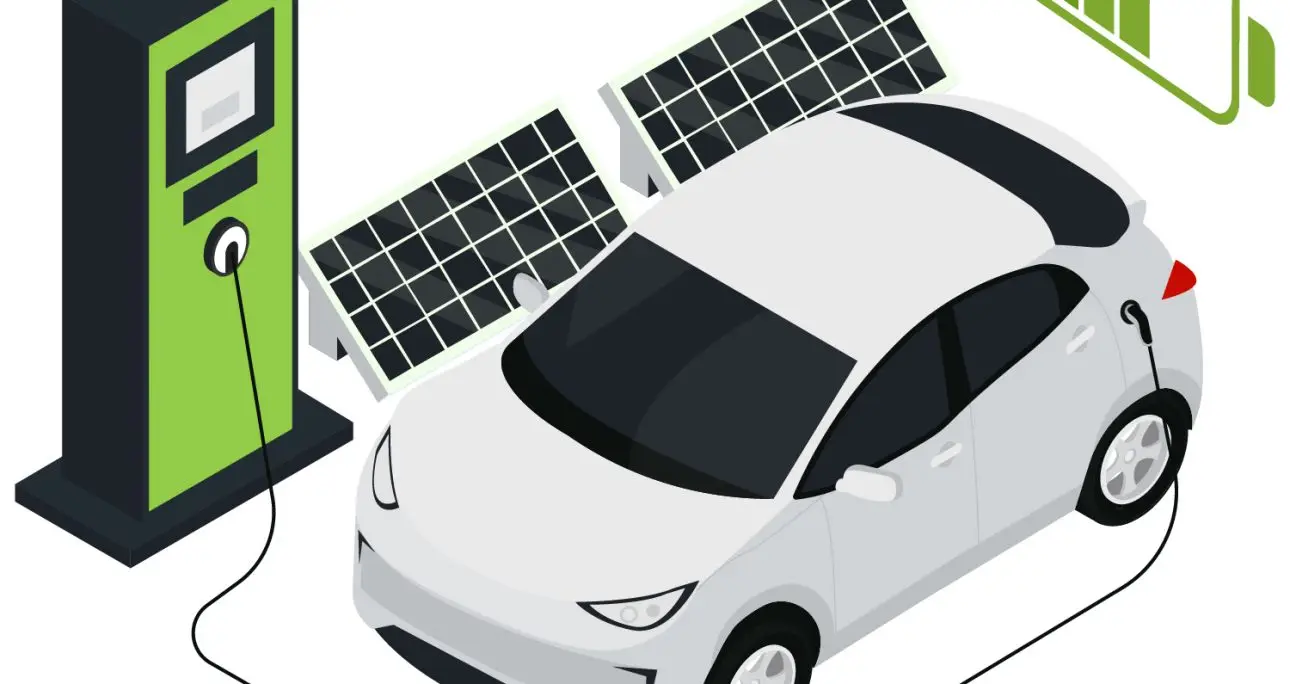
What to Know About EV Batteries: Keeping Your Electric Car Healthy
Electric vehicles (EVs) are becoming increasingly popular. They’re clean, quiet, and cheaper to run. But the heart of every EV is its battery, and just like your phone’s battery, it slowly wears down over time. This is known as battery degradation. Understanding how this happens and how to reduce it can help you keep your electric vehicle running better, longer.
Understanding EV Battery Health
Battery health refers to how well an EV battery can store and deliver energy compared to when it was brand new. This is called its “state of health” (SOH). Just like a phone, a battery that starts at 100% health gradually loses its ability to hold a full charge. For example, a battery originally capable of holding 60 kWh at 90% health can only store about 54 kWh of energy.
What Affects EV Battery Life?
Several things can cause batteries to lose their strength over time:
- Age: All batteries naturally degrade as they get older.
- Temperature: Batteries don’t like extreme heat or cold. Hot weather speeds up battery wear, while extremely cold temperatures can reduce battery performance.
- Charging habits: Frequently using very fast chargers (known as DC fast chargers) can shorten battery life over time.
- Charge levels: Keeping batteries extremely full or nearly empty often will speed up degradation.
- Usage (cycles): Each time you charge and discharge a battery, it slightly reduces how much charge it can hold in the future.
How Does Fast Charging Impact Your Battery?
Fast chargers are convenient because they recharge your EV quickly. But using them too often can stress the battery. When a battery is fast-charged, it heats up more than with slower charging methods. Over time, this extra heat and strain can shorten battery life.
Research shows that occasional fast-charging doesn’t cause significant damage. But doing it very frequently, especially in hot climates can noticeably speed up battery wear. If you want your battery to stay healthier longer, using slower chargers (like home Level 2 chargers) more regularly can help.
Simple Tips for a Longer Battery Life
You can take simple steps to maintain your EV battery’s health:
- Charge smart: Keep your battery between 20% and 80% full when possible. Avoid letting it drop very low or stay at 100% for too long. This “sweet spot” reduces battery stress.
- Watch the temperature: Park in shaded or cool places whenever possible. High temperatures can hurt your battery faster than anything else.
- Limit fast charging: Save DC fast-charging stations for long trips or emergencies. Daily use of Level 2 chargers (like the ones you might have at home or work) is gentler on your battery.
- Drive regularly: Regular driving and charging cycles help maintain battery health. Letting your EV sit unused for long periods can reduce battery life faster.
Good News for EV Owners
The good news is that EV battery technology is improving rapidly. A few years ago, EV batteries degraded about 2.3% each year. Now, newer EV models are seeing degradation closer to 1.8% per year. That means modern EV batteries could last 15 to 20 years or even longer, ensuring you get plenty of use from your electric vehicle.
Understanding battery health helps you get the most from your EV. By following these simple guidelines, you can drive longer, save money, and keep your vehicle performing at its best—making electric vehicles an even smarter choice for your future.
Want to learn more about electric vehicles and sustainable transportation? Check out our other articles for more educational resources, practical tips, and guides designed to support your journey toward cleaner, smarter travel.